


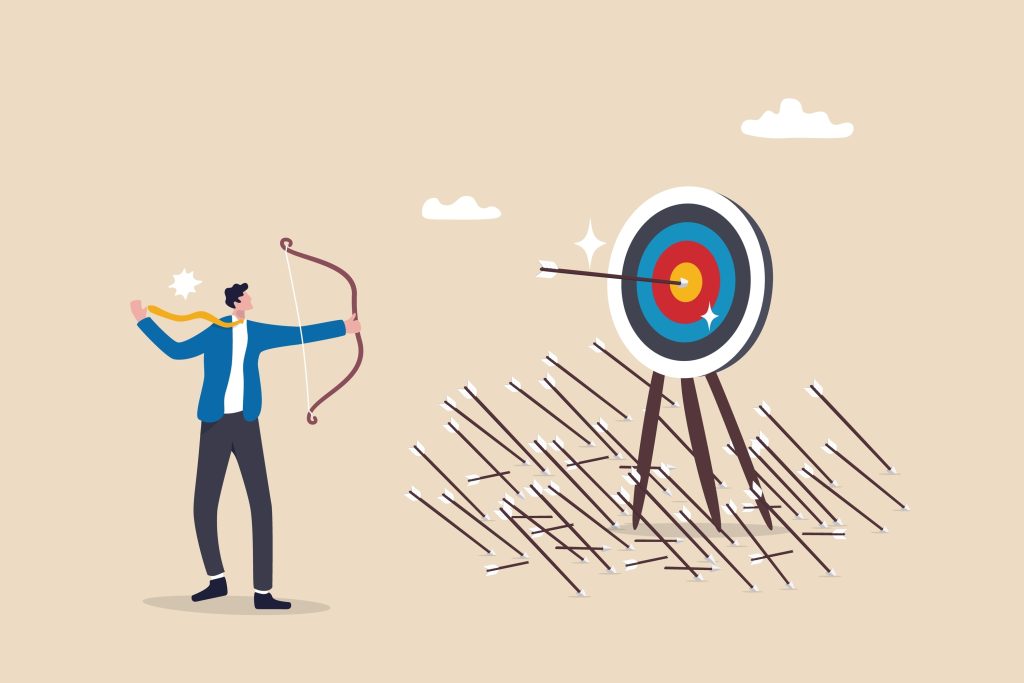
For many years, training in animal health has focused on developing scientific knowledge and technical competencies. That approach remains essential. But it is no longer enough.
Today, animal health professionals operate in an environment where the quality of communication directly influences relationships with pet owners, collaboration among colleagues, team management, interactions within clinic groups, as well as exchanges between animal health companies, veterinary customers, and key opinion leaders. Communication is now recognized as a fundamental competency of modern veterinary practice.
Discussing the cost of treatment, delivering a poor prognosis, supporting an end-of-life decision, managing an upset client, providing feedback to a colleague, responding to a customer’s objection, conducting a scientific discussion with an expert… All these conversations have a significant impact on decisions, relationships, and trust. Yet most professionals have had very few opportunities to rehearse them before facing them in real life.
While we now know that communication is essential, a new challenge emerges: how can we help more professionals practice more often?
Communication Is No Longer Just a “Soft Skill”
For a long time, veterinary curricula naturally prioritized technical competencies: clinical examination, diagnostic reasoning, treatment plan implementation, and pharmacology. But expectations have evolved.
According to Christin Kleinsorgen and colleagues, the veterinary profession increasingly recognizes that communication quality directly influences the client experience, the therapeutic relationship, and the effectiveness of recommendations delivered by veterinaryteams1.
This evolution is also highlighted in the work of Jack Pun, which demonstrates that communication plays a central role in veterinarian-client relationships, shared decision-making, adherence to recommendations, and the overall quality of clinical practice2.
In other words, technical expertise determines what needs to be done, while communication skills determine whether it will be understood, accepted, and implemented. This reality can be observed every day in veterinary practice.
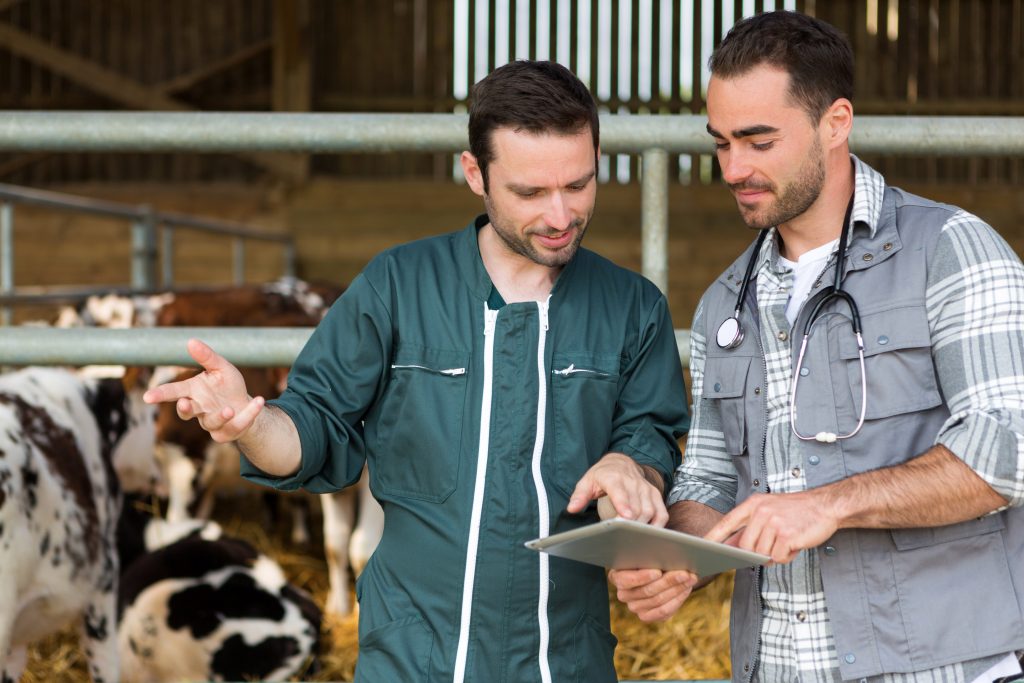
When we think about communication in animal health, we often think about consultations and interactions with pet owners. However, the challenges extend far beyond that context.
Within clinic groups, communication directly influences managers’ ability to provide feedback, manage conflict, support change initiatives, and integrate new employees.
Within animal health companies, communication shapes the quality of interactions between commercial, medical, or technical teams and veterinarians. It also plays a key role in discussions with key opinion leaders, scientific presentations, product launches, and exchanges around best practices.
In each of these situations, success rarely depends solely on technical knowledge. It also depends on the ability to listen, understand the other person’s needs, handle objections, build trust, and facilitate shared decisions.
We Already Know How These Skills Are Developed
The good news is that research provides clear answers regarding how communication skills are developed.
The literature review conducted by Verónica López-López and colleagues analyzed 37 studies on communication-skills training in veterinary medicine. The authors found that the most commonly used approaches combine theory and practice through simulations, role plays, experiential learning, feedback, and reflective practice3.
The most effective programs do not simply transfer information. They enable learners to:
- practice
- experiment with different approaches
- receive feedback
- reflect on their performance
- try again
In other words, communication skills are not primarily developed by reading a guide or attending a lecture. They are developed through practice.
This conclusion3 is consistent with findings across healthcare professions more broadly, where simulation- and scenario-based approaches have been shown to strengthen communication skills in realistic contexts.
We therefore have a relatively good understanding of what works. The challenge is no longer pedagogical.
The Real Challenge: A Scalability Problem
If we know that practice works, why do so many professionals still feel underprepared for certain conversations?
Because the most effective approaches are also the most resource-intensive:
- Role plays require time.
- Simulations require facilitators.
- Standardized actors require organization.
- Feedback requires available experts.
The review by Verónica López-López shows that the most comprehensive communication-training programs rely on intensive practical activities that are often difficult to reproduce at scale3.
This challenge becomes particularly visible in several contexts.
In veterinary schools: How can we provide sufficient practice opportunities for hundreds of students?
In clinic groups: How can we ensure consistent communication skills across employees working in multiple locations? How can we prepare managers to handle complex conversations with their teams?
In Animal Health companies: Comment permettre à des délégués, responsables techniques ou équipes médicales de s’entraîner à présenter une solution, répondre à une objection ou conduire une discussion scientifique avec un vétérinaire ou un leader d’opinion ?
In every case, the need is the same: to practice high-stakes conversations before they happen in reality.
The challenge is even greater because traditional methods remain highly dependent on significant human and organizational resources. Research on communication training and conversational simulations highlights the constraints associated with mobilizing trainers, actors, time, and logistics to provide sufficient opportunities for practice.
The question is therefore no longer “How do we teach communication?”. It becomes: “How do we enable more animal health professionals to practice more often without endlessly increasing the resources required?”
The Consequences of a Lack of Practice
This issue is not only educational. It is also operational.
In human healthcare, numerous studies have shown that communication failures contribute significantly to safety incidents, either as a direct cause or as a contributing factor in broader chains of events.
Although the contexts differ, the consequences observed in animal health are similar.
Poorly prepared communication may lead to:
- Misunderstanding of recommendations
- Poor treatment adherence
- Tensions with clients
- Conflicts among colleagues
- Miscommunication within teams
- Less effective interactions between partners
- Loss of trust
- Increased stress
Conversely, effective communication promotes trust, collaboration, and better decision-making.
This is why communication can no longer be considered a simple complement to technical competencies. It is an integral part of professional performance.

The Conversations That Matter Are Not Only Clinical
When discussing communication in animal health, the image of a veterinary consultation often comes to mind first.
However, high-impact conversations exist throughout the animal health ecosystem.
In veterinary schools: first consultations, history-taking discussions, clinical reasoning investigations, treatment plan recommendations.
In veterinary clinics and clinic groups: onboarding, feedback conversations, conflict management, leadership development, change management.
In animal health companies: solution presentation, objection handling, scientific discussions, conversations with key opinion leaders, supporting adoption of new practices.
Despite their differences, these conversations share several characteristics:
- They often involve emotions.
- They require constant adaptation to the person involved.
- They include a degree of uncertainty.
- They can have significant consequences.
- Most importantly: they all require practice.
A New Question for Animal Health Education
For many years, we have focused on how to teach communication more effectively.
Today, new questions are emerging:
- How can we create more opportunities for practice?
- How can we enable students to rehearse consultations before their first real consultation?
- How can we help teams prepare for emotionally charged or conflict-related situations?
- How can we offer managers, veterinarians, and industry professionals opportunities to practice important conversations before they occur?
Research already shows that communication skills develop through practice, repetition, simulation, and feedback.
The challenge now will be to make that practice more accessible, more frequent, and more scalable.
References
- Christin Kleinsorgen et al. (2025). Advancing Veterinary Clinical Communication.
- Jack Pun (2020). An Integrated Review of the Role of Communication in Veterinary Clinical Practice.
- Verónica López-López et al. (2026). Communication Skills Training in Veterinary Education: A Scoping Review of Programs and Practices.